

The Sims 4 went free to play in 2022, making it accessible to anyone. The base game has low hardware requirements, a GTX 650 Ti and 4GB of RAM technically runs it. The reality is more nuanced: expansion packs, custom content (CC), and mods significantly increase hardware demands. A heavily modded game with multiple expansion packs, hundreds of CC items, and large lots can actually stress mid-range hardware. The base game experience is accessible to almost any modern PC.
Minimum vs Recommended Specs
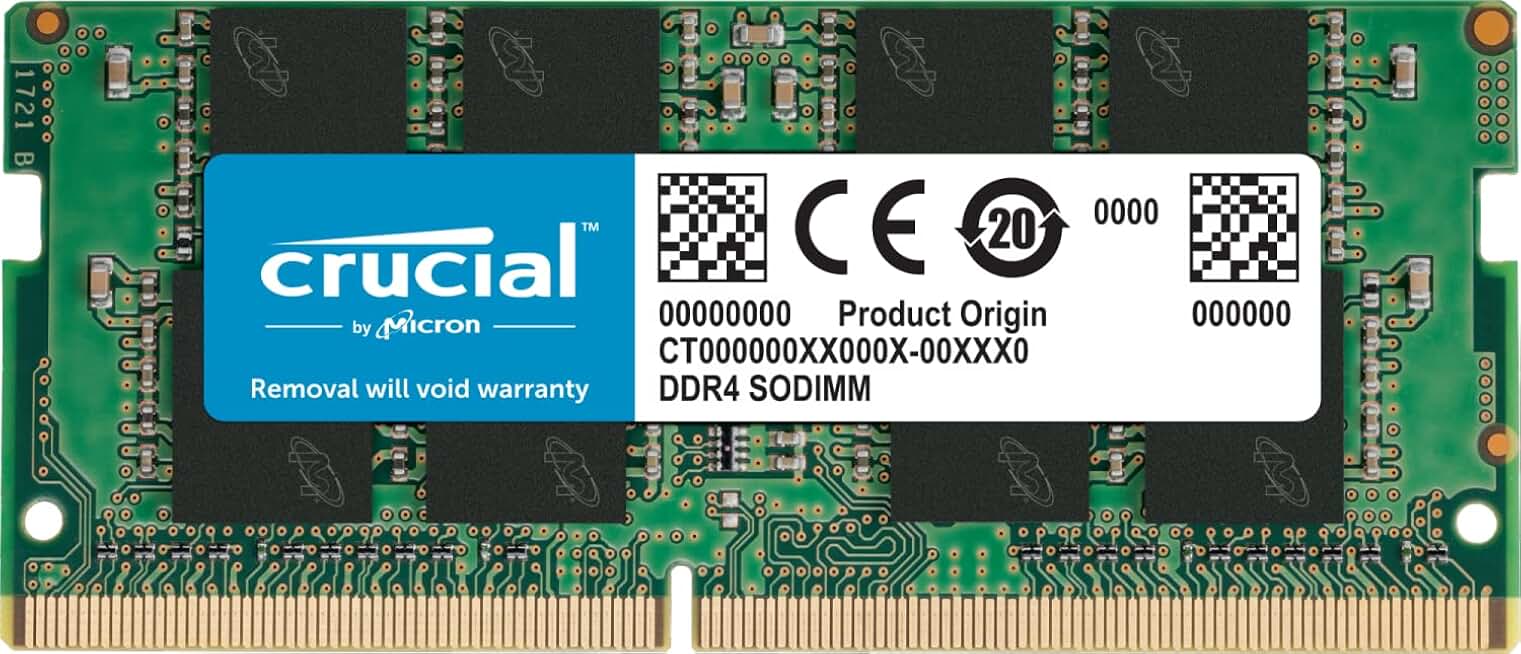
Crucial 16GB DDR4 3200MHz Laptop RAM
- Boosts Sims 4 to recommended 8GB+
- Compatible with Intel and AMD systems
- Top-rated with 62,000+ reviews
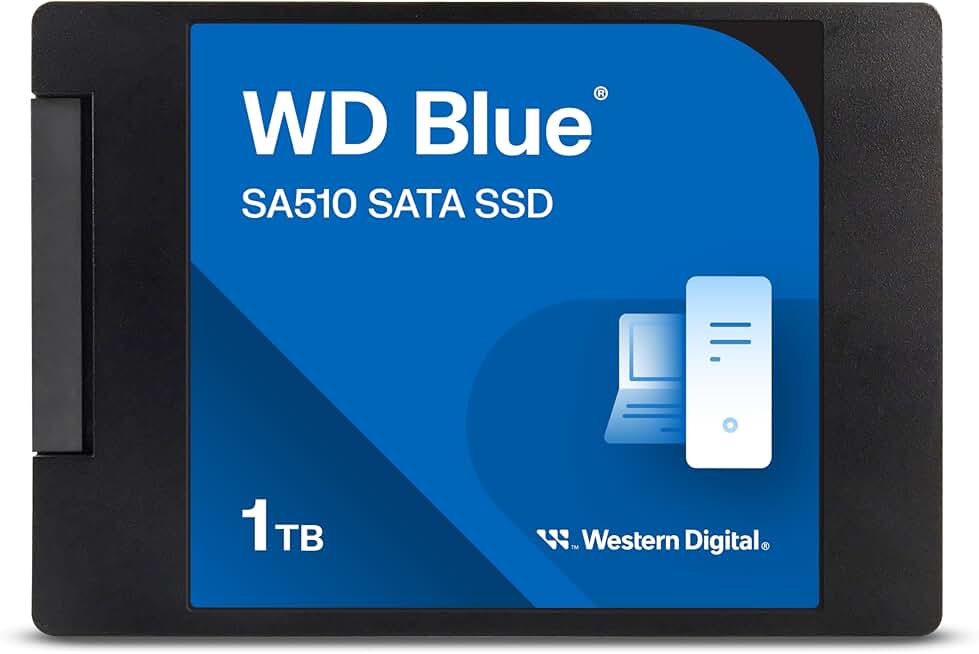
WD Blue 1TB SA510 SATA SSD
- Cuts Sims 4 neighborhood load times
- Fits 150GB+ full pack collections
- Trusted WD brand, 560 MB/s read
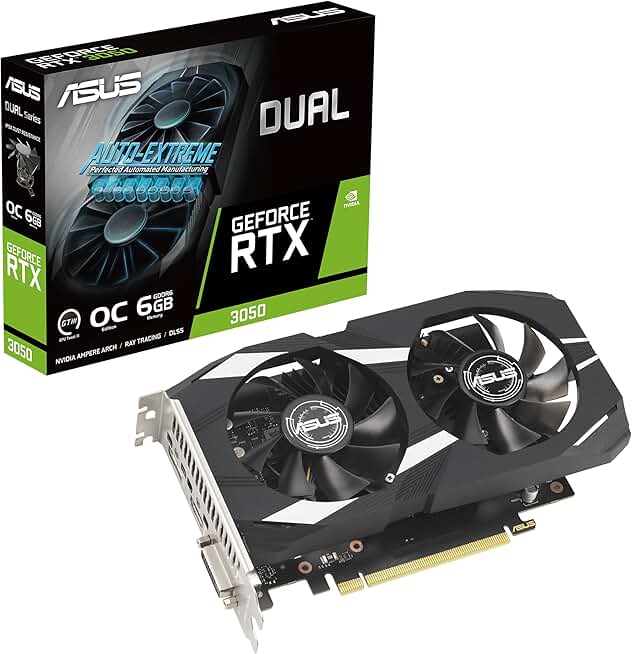
ASUS Dual RTX 3050 6GB OC Gaming
- Runs Apex at 1080p high settings
- 6GB GDDR6 above minimum spec
- 4.6 stars, 1000+ reviews
Quick Compatibility Reference
| Your Hardware | Can You Run It? | Expected Performance |
|---|---|---|
| RTX 2060 / RX 5700 + i5 + 16GB | Yes, maxed | 1080p / Ultra / 60fps with all packs |
| GTX 1060 / RX 580 + i5 + 8GB | Yes | 1080p / High / 60fps |
| GTX 960 / RX 470 + 8GB | Yes (recommended) | 1080p / High / 60fps |
| GTX 750 Ti / HD 7750 + 4GB | Yes (minimum) | 1080p / Low-Medium / 30-60fps |
| Integrated Intel Iris Xe + 8GB | Borderline | 1080p / Low / 30fps base game only |
| Intel HD 4000 + 4GB | No | Below minimum for current version |
The Sims 4 Performance With Expansion Packs
The Sims 4 base game is light on hardware, but each expansion pack adds new assets, mechanics, and neighborhood content that increases load on both CPU and storage. Players with the full collection can find their game takes minutes to load on HDD. An SSD is the single best upgrade for a heavily packed Sims 4 installation.
RAM matters more in The Sims 4 than in most games at this visual complexity level. The game loads neighborhood assets, character data, and outfit textures into memory. 8GB is comfortable for base game plus a few packs. A full collection with hundreds of mods and CC benefits noticeably from 16GB.