
Rust is one of the more demanding survival games on PC, particularly for a title of its visual style. The minimum spec asks for an i7-3770 and 10GB of RAM higher than many more visually complex games. This is because Rust simulates a full persistent world with hundreds of players, base building physics, resource nodes, animals, and NPC raids all running simultaneously. A budget build will run it, but the recommended spec is where the game becomes genuinely smooth.
Minimum vs Recommended Specs
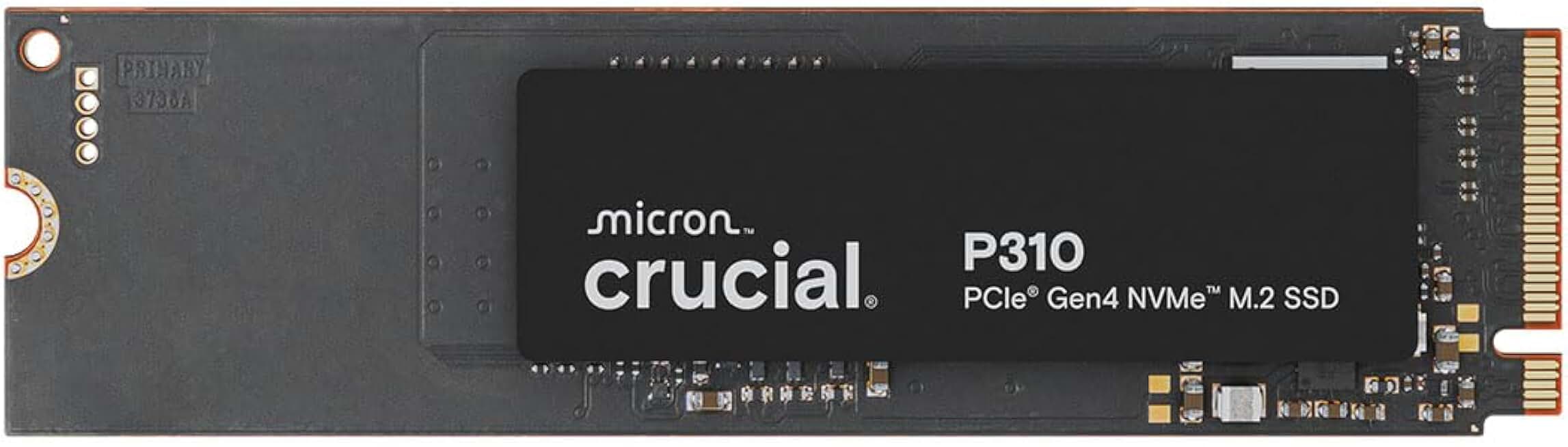
Crucial P310 1TB PCIe Gen4 NVMe SSD
- Eliminates Rust chunk-load stutters
- 7,100 MB/s read speed
- Includes Acronis recovery software
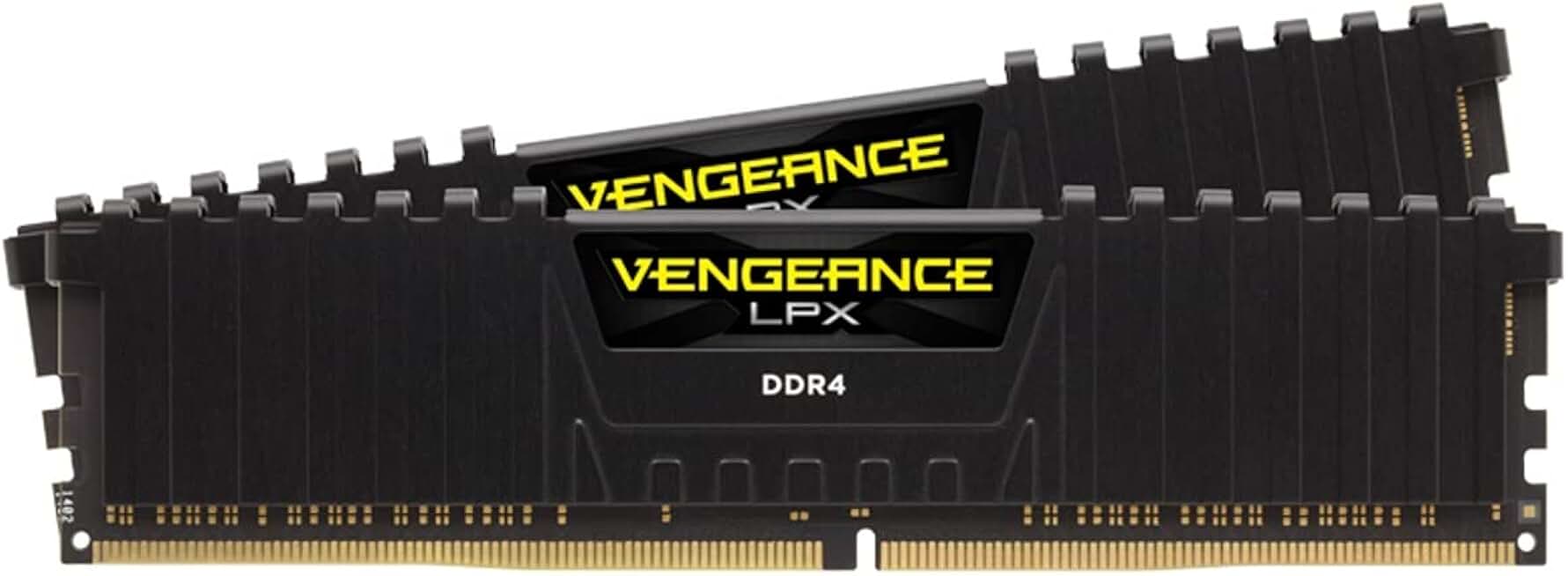
Corsair Vengeance LPX 16GB DDR4 3200MHz
- Meets recommended 16GB RAM spec
- 3200MHz for smooth gameplay
- 4.8 stars, 5800+ reviews
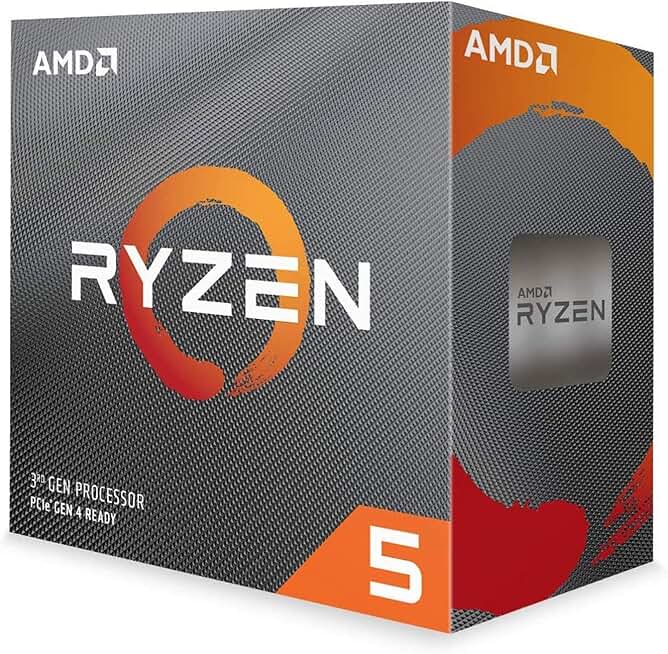
AMD Ryzen 5 3600 Unlocked Desktop Processor
- Meets Rust recommended CPU spec
- 6-core 12-thread performance
- Includes Wraith Stealth cooler
Quick Compatibility Reference
| Your Hardware | Can You Run It? | Expected Performance |
|---|---|---|
| RTX 3070 / RX 6800 XT + i7 + 16GB | Yes, maxed | 1080p / Ultra / 100fps+ |
| GTX 1080 / RX 5700 XT + i7 + 16GB | Yes (recommended) | 1080p / High / 60fps |
| GTX 1660 / RX 5600 XT + i5 + 16GB | Yes | 1080p / Medium / 60fps |
| GTX 1060 / RX 580 + i5 + 8GB | Borderline | 1080p / Low / 40-60fps |
| GTX 970 / R9 280 + 8GB | Borderline | 1080p / Low / 30fps |
| GTX 750 Ti or older | No | Below minimum |
Rust Performance Guide
Rust has a well-known performance reputation it can run poorly even on high-end hardware in certain conditions. Large bases with many entities (doors, furnaces, chests, turrets) in close proximity cause significant CPU load. This is a game design limitation, not something settings can fully address.
The most impactful settings to reduce are Shadow Quality and Grass Displacement. Draw Distance also matters significantly on large open maps. From my experience, reducing these three settings alone can improve performance by 30-40% on mid-range hardware without dramatically changing the gameplay visibility.