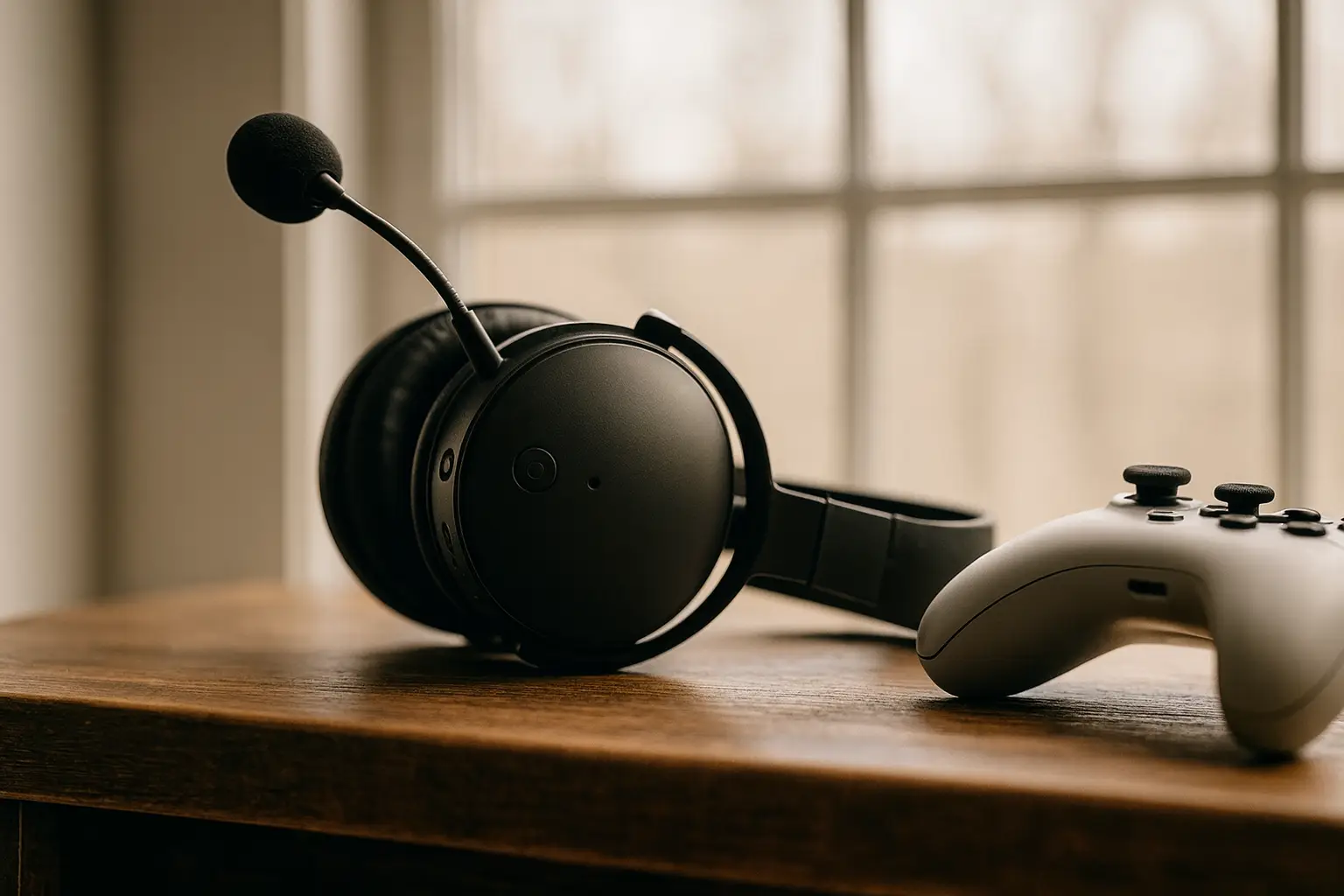
This debate comes up constantly. Should you grab a gaming headset or go with quality headphones plus a separate mic? Both sides have die-hard fans, and honestly, both can work great. It really depends on what you value most and how much hassle you want to deal with.
Let’s break down the real differences in sound quality, mic performance, comfort, and value so you can figure out which setup actually makes sense for how you game.
Sound Quality and Immersion – The Main Event
Audiophile-grade headphones usually deliver more detailed and balanced sound: wider frequency range, richer bass, cleaner highs. If you care about hearing every nuance in game audio, high-end headphones have an edge in pure fidelity.
Gaming headsets focus on immersive features instead. Built-in virtual surround sound like 7.1 or 3D audio helps with positional cues in games. You can pinpoint where footsteps are coming from or locate gunfire directionally. This matters huge in competitive play.
So which actually performs better in real gameplay? It depends on the game and your priorities. For single-player RPGs or story games where you want gorgeous audio quality, good headphones shine. For competitive FPS where you need to hear exactly where enemies are, a quality gaming headset with spatial audio often wins.
The truth is modern gaming headsets have gotten way better at sound quality. Something like the Audeze Maxwell uses planar magnetic drivers that rival audiophile headphones while still packing gaming features. You don’t have to sacrifice fidelity to get surround sound anymore.
Positional Audio in Actual Games
This is where rubber meets the road. Hearing precise footstep directions in Valorant or Apex can be the difference between clutching and dying. Which setup gives you the competitive edge?
Gaming headsets with virtual surround built-in generally make directional audio easier to parse. The processing is tuned for gaming, so left, right, up, down all feel distinct. Headphones with stereo imaging can do this too, but it depends more on the game engine and your ears interpreting the stereo field.
I’ve used both setups extensively in FPS games. A good gaming headset with Dolby Atmos or DTS makes positional audio almost effortless. You just know where sounds are coming from. With headphones, you can achieve similar results, but it takes more adjustment, and not every game handles stereo positioning equally well.
If competitive gaming is your main thing, lean toward a headset with spatial audio features. If you play everything and just want excellent overall sound quality, either works.
Microphone Clarity for Team Comms
Clear communication wins games. Period. Your teammates need to hear callouts instantly without asking you to repeat.
Gaming headsets include convenient built-in mics. The quality varies wildly, though. Budget headsets often have mediocre mics that pick up background noise and sound muffled. High-end gaming headsets have legitimately good boom mics with noise cancellation.
Standalone mics blow headset mics away in pure quality. A dedicated desktop mic or even a ModMic attached to your headphones delivers better voice clarity and noise reduction. If you stream or care about sounding professional, this matters.
But here’s the thing – for gaming with friends, most headset mics are fine. The Razer BlackShark V3 or SteelSeries Arctis Nova 7 have mics that sound clear in Discord or in-game chat. Not studio quality, but totally functional.
Standalone mics add complexity: more cables, positioning to worry about, potential software setup. If convenience matters, the integrated headset mic wins. If you want the best possible voice quality or stream regularly, invest in a separate mic.
Comfort for Marathon Sessions
Long gaming sessions demand comfortable gear. Your head and ears will hate you if your headset sucks after two hours.
Many gaming headsets use plush ear cups and lightweight builds for extended wear: memory foam padding, breathable fabrics, adjustable headbands. Comfort is a priority because gamers wear these things for 6 plus hours straight.
High-end headphones might use premium materials and superior build quality. They can be incredibly comfortable too. But some audiophile headphones are built for critical listening, not all-day gaming. They might clamp harder or have less padding.
Weight matters too. Lighter headsets cause less neck fatigue. Gaming headsets tend to be designed with this in mind. Some audiophile cans are tanks that feel great for an hour, then start wearing on you.
Test fit if possible. Everyone’s head shape is different. What works for your friend might give you a headache. Gaming headsets generally nail comfort because that’s a core feature. Headphones are more hit or miss depending on the model.
Convenience Versus Customization
All-in-one gaming headsets are plug and play. Less cable management, on-device controls for volume and mute, software that handles everything in one app. You plug it in and game. Simple.
Separating headphones and mic gives you flexibility. You can upgrade one part without replacing the whole setup. Mix and match brands. Swap to a better mic later without buying new headphones. More customization potential.
The trade-off is complexity: multiple cables to manage, separate software for each component maybe, positioning a standalone mic. It’s not hard, but it’s definitely more involved than a single headset.
If simplicity is your priority, get a good gaming headset. If you like tweaking your setup and want maximum flexibility, go the headphones plus mic route. Both work; it just depends on your personality.
Price and Actual Value
Budget is usually the deciding factor. Gaming headsets range from $30 entry-level models to $300 plus premium units. You get audio and mic combined, which offers good value, especially at lower price points.
Assembling a quality headphones plus mic combo costs more for comparable performance. Decent open-back headphones run $150 to $200. Add a ModMic or desktop mic for another $50 to $100. You’re easily at $200 to $300 total.
But that combo might yield better overall quality than a $200 gaming headset. You’re getting actual audiophile headphones and a proper mic instead of a gaming-branded all-in-one.
For budget gamers under $100, a gaming headset is the obvious choice. Something like the Corsair HS55 at $60 gives you solid sound and a good mic. Building an equivalent headphones plus mic setup at that price is basically impossible.
If you have $200 plus to spend, the decision gets harder. You could grab a premium gaming headset like the Audeze Maxwell or go headphones plus mic for potentially better raw performance. It depends if you value the integrated convenience or want that last bit of audio quality.
Top Gaming Headsets Worth Buying in 2025
- Audeze Maxwell Wireless – The Audiophile Pick: Premium wireless gaming headset that actually sounds like audiophile gear. Planar magnetic drivers deliver spacious, detailed sound with support for high-res audio. Dolby Atmos surround for immersion. Detachable boom mic for clear voice chat. Battery life is class-leading too. This is endgame sound quality in a gaming headset package. Expensive but worth it if audio matters most to you.
- Razer BlackShark V3 – The All-Arounder: Hits the sweet spot for great game audio, low latency, and comfort at a reasonable price. Fresh 50mm drivers produce crisp, immersive sound. Reliable cardioid boom mic for clear comms. Lightweight with memory foam ear cushions. Perfect for both intense competitive play and casual long sessions. Around $100 and honestly hard to beat at this price.
- SteelSeries Arctis Nova 7 – Wireless Done Right: Mid-tier wireless with balanced sound and dual connectivity – 2.4GHz plus Bluetooth. Comfortable suspension headband design and clear retractable mic. Excellent positional audio and solid build quality. If you want wireless freedom without spending $300, this is it. Wired Nova 3 is cheaper if you don’t need wireless.
- Corsair HS55 Stereo – Budget Champion: Wallet-friendly wired headset that punches above its weight. Clear stereo sound with decent bass. Flip-to-mute microphone that sounds surprisingly good for the price. Lightweight with soft ear cups focusing on essentials. Perfect for gamers on a budget or anyone who wants a solid backup headset. Around $60.
Getting the Most from Either Setup
Enable Spatial Audio Features
Whether you go headset or headphones, use Dolby Atmos or DTS Headphone X if available. Many games support spatial audio settings. Enable these for better directional sound cues and overall immersion.
Makes a real difference in supported titles. Suddenly you can tell if footsteps are above or below you, not just left or right.
Tweak Your Audio Settings
Dig into in-game audio sliders and EQ presets. Raise sound effects or footsteps volume in competitive shooters. Lower music if it drowns out important audio cues.
Gaming headsets with software like Logitech G Hub or Razer Synapse let you customize EQ and mic settings. Use these tools to fine-tune everything to your preference.
Mic Positioning Matters
Proper positioning is key whether it’s a headset boom or standalone mic. Keep it a few centimeters from your mouth and off to the side to avoid breathing noises.
Use noise suppression or pop filters to reduce background noise. In noisy environments, enable push-to-talk or software noise gates so teammates only hear you when you’re actually talking.
Which Setup is Actually Right for You?
There’s no universal answer. It depends on your priorities and how you game.
Value convenience and want an integrated solution? A good gaming headset gives you hassle-free immersive sound and solid comms in one package. Plug it in and go.
Audiophile who wants top-tier sound quality and doesn’t mind extra setup? Headphones plus a separate mic can deliver outstanding results. More flexibility to customize and upgrade too.
Budget under $100? Gaming headset wins every time. You can’t build a comparable headphones plus mic setup for that price.
Have $200 plus to spend and want the absolute best? Either route works. Premium gaming headsets like the Maxwell rival audiophile setups now. Comes down to whether you value integrated features or maximum customization.
Competitive player who needs every advantage? Gaming headset with spatial audio probably edges out headphones for positional cues. Easier to parse directional audio.
Single-player or casual gamer who loves great sound? Quality headphones might be more enjoyable for music and immersive game audio.
The key is picking what matches your use case and budget, then optimizing your setup with the tips above. Both paths lead to great audio experiences. One isn’t objectively better; it’s about what fits your gaming style.
Invest time configuring your audio and choosing quality gear. From hearing enemies before they see you to celebrating wins over voice chat with your squad, great audio elevates every moment. Whichever path you choose, make it count.